

Paulette Cooker Extractor & Rubino Solutions

Stove Extractor Fan
Add a review FollowOverview
-
Founded Date March 1, 1998
-
Sectors Hospitality
-
Posted Jobs 0
-
Viewed 33
1. Company Information
Contact Details
Manpower Requirement Details
Employment Terms
Mobilization & Compliance
Additional Information
Company Description
The 10 Scariest Things About Stove Extractor Fan
The Essential Guide to Stove Extractor Fans: Your Ultimate Kitchen Companion
In today’s hectic world, kitchen ventilation is frequently overlooked in favor of visual appeals or device functions. Nevertheless, a stove extractor fan plays an important function in maintaining a healthy and pleasant cooking environment. This article dives into what stove extractor fans are, the various types offered, their benefits, installation considerations, maintenance tips, and answers to common concerns.
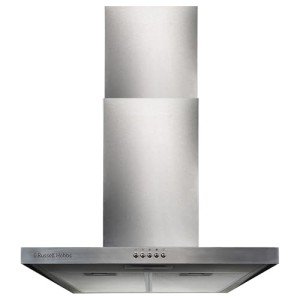
What is a Stove Extractor Fan?
A stove extractor fan, also known simply as a range hood or kitchen hood, is a ventilating device set up above the stove. Its main function is to get rid of smoke, steam, grease, and cooking odors from the air, enhancing air quality in your kitchen and home.
Types of Stove Extractor Fans
Stove extractor fans been available in various styles and performances. Below is a contrast table summarizing the most common types:
| Type | Description | Pros | Cons |
|---|---|---|---|
| Wall-Mounted Hoods | Set up against a wall above the stove | Easy to install; stylish | Requires wall space |
| Under-Cabinet Hoods | Set up beneath kitchen cabinets | Space-saving; useful | Less powerful than other types |
| Island Hoods | Suspended above an island stove | 360-degree ventilation; modern | More pricey; requirements ceiling assistance |
| Downdraft Hoods | Integrated into the cooktop and turns up when required | Sleek style; unobtrusive | Minimal suction; less reliable |
| Professional Hoods | Durable, commercial-grade hoods with high CFM | Exceptional for heavy cooking | High expense; generally needs particular installation |
Advantages of Installing a Stove Extractor Fan
-
Improved Air Quality: The main advantage is the elimination of smoke, grease, and odors, leading to fresher air.
-
Minimized Cooking Odors: No one takes pleasure in remaining smells. An extractor fan successfully eliminates them, ensuring your living area remains pleasant.
-
Reduced Grease Build-up: By recording grease particles, extractor fans can assist keep your kitchen cleaner.
-
Temperature level Control: Fans assist in reducing excess heat produced while cooking, making the cooking experience more comfy.
-
Irritant Control: Proper ventilation assists reduce dust and other irritants in the kitchen, improving overall health.
-
Increased Property Value: A well-ventilated kitchen is a selling point for potential purchasers.
Setup Considerations
When installing a stove extractor fan, keep the list below aspects in mind:
-
Size: Choose a hood that extends at least 3 inches beyond each side of your stove for optimum protection.
-
CFM Rating: The CFM (Cubic Feet per Minute) score shows just how much air the fan moves. Select one that matches your cooking routines– generally, a range of 300-600 CFM suffices for routine home cooking.
-
Ducted vs. Ductless: Ducted hoods vent smoke outside, while ductless options filter and recirculate the air. Choose based on your kitchen design and requirements.
-
Sound Level: Extractor fans can be loud. Examine the sones score (a measurement of viewed volume) to guarantee it matches your preference.
-
Style and Aesthetics: Choose a style that matches your kitchen design. Hoods come in numerous finishes like stainless steel, glass, or perhaps custom-made styles.
Maintenance Tips
To ensure your stove extractor fan works efficiently, regular maintenance is necessary. Here are some suggestions:
-
Clean Filters Regularly: Metal filters can typically be cleaned in warm, soapy water. Replace charcoal filters in ductless models according to producer guidelines.
-
Check for Grease Build-up: Inspect the fan and exhaust duct for grease accumulation. Regular cleansing prevents clogs and fire risks.
-
Inspect the Motor and Blades: Periodically examine the motor for dust build-up and make sure the blades are clear from blockages.
-
Change Light Bulbs: If your extractor fan has built-in lighting, check and replace bulbs as needed to guarantee adequate presence.
-
Seek Professional Help: If you see any considerable concerns like weird sounds or reduced suction, think about employing a professional to inspect and repair the fan.
Regularly Asked Questions (FAQ)
1. Do I need a stove extractor fan if I have windows that I can open while cooking?
Windows can provide some ventilation, but a stove extractor fan is more effective in removing smoke and smells rapidly. It helps maintain a comfy temperature level and air quality regardless of outdoors conditions.
2. How do I know what size extractor fan I need?
Select a fan that is at least as large as your cooking surface area, preferably extending a few inches beyond it. For precise sizing, think about the CFM score based on your cooking style– use the guidelines above for a quick check.
3. Can I utilize an extractor fan without ductwork?
Yes, ductless extractors filter air and recirculate it back into the kitchen. They are ideal for apartments or kitchens without outside walls. However, they might not be as effective as ducted types for heavy cooking.
4. How loud are stove extractor fans?
Noise levels vary by model. Check the sones rating when shopping; lower sones show quieter operation. The majority of modern fans are designed to minimize sound.
5. How frequently should I clean my stove extractor fan?
Tidy the metal grease filters each month and change charcoal filters for ductless designs every four to six months, or as recommended by the producer.
A stove extractor fan is a vital addition to any kitchen, offering numerous benefits varying from air quality improvement to visual appeal. Understanding the types, advantages, installation factors to consider, and upkeep of these devices can assist you make an informed option for your kitchen. By buying the right design and keeping it well, you can delight in a cleaner, healthier cooking environment for many years to come. Whether you are a professional chef or an enthusiastic home cook, having a reliable stove extractor fan can substantially raise your cooking experience.