

Rebekah CO KG

Soffit Installation
Add a review FollowOverview
-
Founded Date November 2, 1921
-
Sectors Oil & Gas
-
Posted Jobs 0
-
Viewed 28
1. Company Information
Contact Details
Manpower Requirement Details
Employment Terms
Mobilization & Compliance
Additional Information
Company Description
Guide To Fascia And Soffit Installation: The Intermediate Guide On Fascia And Soffit Installation
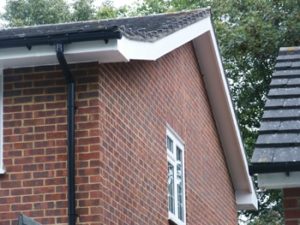
Understanding Fascia and Soffit Installation: A Comprehensive Guide
When it concerns home building and construction and maintenance, numerous homeowners overlook the importance of Fascia And Cladding and soffit. These elements play a crucial function in safeguarding the structure of the home from weather elements while also improving its visual appeal. This guide will cover whatever you require to learn about fascia and soffit installation, consisting of meanings, materials used, installation steps, advantages, and regularly asked concerns.
What is Fascia and Soffit?
Fascia
Fascia is the long, horizontal board that runs along the edge of the roofing system. It functions as a protective barrier against wetness damage, bugs, and other ecological aspects. Furthermore, fascia supports the bottom row of shingles and can be utilized to support seamless gutters.
Soffit
Soffit is the material that covers the underside of the roofing overhang. It assists in ventilation and assists avoid moisture build-up in the attic, which can cause mold growth and structural damage. Soffit likewise boosts the visual appeal of the home, offering a clean surface at the eaves.
Advantages of Installing Fascia and Soffit
| Advantage | Fascia And Soffit Contractor | Soffit |
|---|---|---|
| Defense | Shields wood from moisture and insects | Prevents moisture build-up in the attic |
| Looks | Improves the home’s outside appearance | Provides a refined want to roofing system edges |
| Ventilation | Supports gutter systems and help ventilation | Assists in air flow to the attic |
| Structural Support | Supports the roofing system and rain gutters | Complements roof overhangs |
Materials Used in Fascia and Soffit Installation
Fascia and soffit can be made from numerous products, each with its distinct advantages and disadvantages. Here are the most common materials utilized:
Fascia Materials
- Wood: A traditional alternative that uses a natural appearance however needs regular maintenance and painting.
- Vinyl: Low-maintenance, durable, and offered in multiple colors; however, it can end up being breakable in severe temperatures.
- Aluminum: Rust-resistant and needs very little maintenance; nevertheless, it might damage in time.
- Fiber Cement: Highly durable and weather-resistant, supplying a more refined appearance; however, it can be more pricey.
Soffit Materials
- Vinyl: Lightweight, affordable, and easy to install; available in different colors.
- Aluminum: Durable and rust-resistant; provides exceptional ventilation choices.
- Wood: Offers a natural aesthetic however needs routine maintenance and is prone to rot.
Steps for Installing Fascia and Soffit
Tools and Materials Required
- Ladder
- Safety safety glasses
- Nail gun or hammer
- Measuring tape
- Level
- Chalk line
- Caulk weapon
- Flashing
- Fascia and soffit boards
- Fasteners
Installation Steps
-
Preparation: Begin by guaranteeing the work location is clean and free of particles. Always wear safety goggles and utilize a durable ladder.
-
Measure: Use a measuring tape to determine the length of the fascia and soffit boards. Mark the measurements on the boards using a chalk line.
-
Cutting: Use a saw to cut the fascia and soffit boards to the proper lengths.
-
Set up the Fascia:
- Position the fascia board at the end of the rafters.
- Use a level to ensure it is straight.
- Secure it with appropriate fasteners (nails or screws).
-
Set up the Soffit:
- Begin at one end of the overhang.
- Move the soffit board into location, guaranteeing it fits comfortably against the fascia and wall.
- Protect the soffit using fasteners, guaranteeing appropriate positioning.
-
Ventilation: If setting up vented soffit, guarantee there are sufficient ventilation holes to promote air flow to the attic.
-
Ending up Touches: Seal any gaps or joints with caulk to avoid wetness intrusion. Make sure the installation is aesthetically appealing and meets regional building regulations.
FAQ About Fascia and Soffit Installation
1. How often should fascia and soffit be replaced?
Fascia and soffit typically last between 20 to 30 years, depending on the product and local weather. Routine maintenance can extend their life expectancy.
2. Can I set up fascia and soffit myself?
Yes, if you have the right tools and experience, setting up fascia and soffit can be a DIY job. However, for those not familiar with building and construction methods, employing a professional is recommended.
3. What takes place if fascia and soffit are not set up appropriately?
Inappropriate installation can cause water damage, insects in the attic, and structural issues. Guaranteeing appropriate installation assists avoid these problems.
4. Exist any regional codes for fascia and soffit installation?
Regional building regulations can differ, so it’s important to inspect with your local authorities or a professional to guarantee compliance.
5. How can I keep my fascia and soffit?
Routine assessments, cleaning seamless gutters, and repainting (for Soffit Replacement) wooden products) can help preserve fascia and soffit. Try to find indications of damage or rot and address them without delay.
Fascia and soffit installation may look like a minor information in the grand plan of home building, however their significance can not be overemphasized. By providing defense, boosting visual appeals, and promoting ventilation, these parts add to the longevity and appearance of a home. Understanding the installation process, materials, and maintenance will assist house owners make informed choices that benefit their residential or commercial properties in the long run. Whether you’re a DIY lover or considering working with a professional, having a grasp of the fundamentals will guarantee a successful result. Pleased building!