

Brigette Busey AG

Schwerlastfräsmaschinen Kaufen
Add a review FollowOverview
-
Founded Date July 9, 1902
-
Sectors Hospitality
-
Posted Jobs 0
-
Viewed 1
1. Company Information
Contact Details
Manpower Requirement Details
Employment Terms
Mobilization & Compliance
Additional Information
Company Description
Beware Of These “Trends” About Buy Milling Machines For Professional Use
Buying Milling Machines for Professional Use: A Comprehensive Guide
When buying milling machines for professional applications, it is important to make a well-informed choice. Milling machines are versatile tools used throughout numerous industries, including manufacturing, woodworking, and metalworking. They permit operators to shape and cut materials with precision, allowing the production of high-quality parts and parts. This article will assist you through the vital factors to consider when buying a milling machine, the types available, key functions, and often asked concerns.
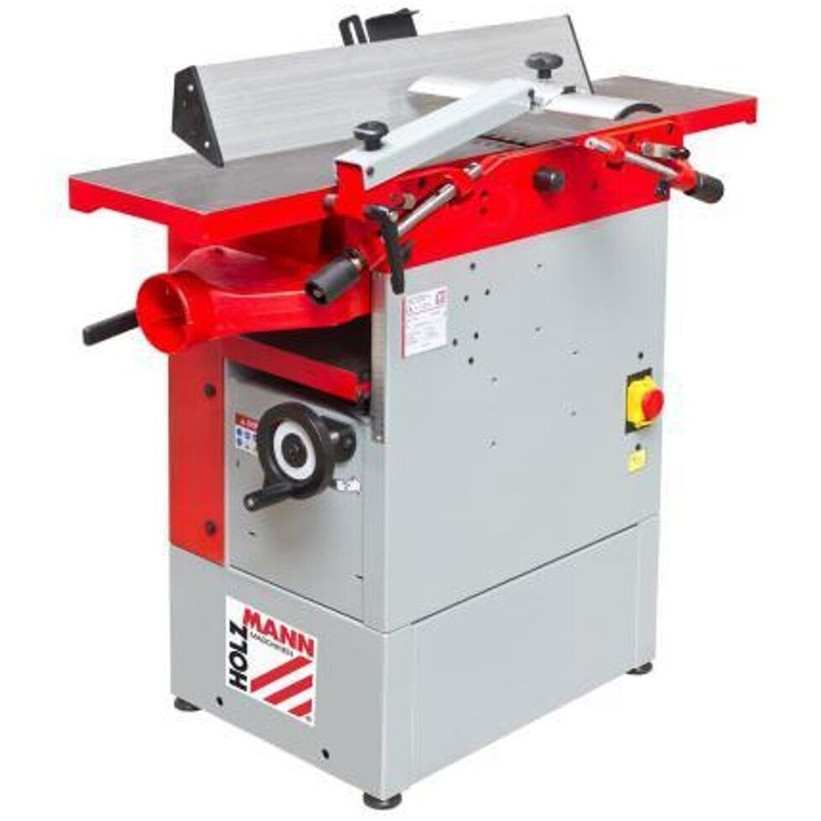
Understanding Milling Machines
Milling machines function by getting rid of product from a workpiece through using rotary cutters that move along the surface area. They can be found in various setups, each suited to different jobs and environments. Here are the main kinds of milling machines used for professional functions:
| Type of Milling Machine | Description |
|---|---|
| Vertical Milling Machine | The most typical type, featuring a vertical spindle that holds the cutting tool. Suitable for creating flat surface areas, grooves, and complex shapes. |
| Horizontal Milling Machine | Equipped with horizontal spindles, these machines are perfect for producing larger and more intricate workpieces. They can accommodate numerous tools for increased effectiveness. |
| CNC Milling Machine | Computer Numerical Control (CNC) machines offer high precision and automation. They can produce intricate shapes with less manual work compared to standard machines. |
| Bed Type Milling Machine | This machine has a set bed that offers support for bigger workpieces. Perfect for sturdy applications where stability is vital. |
| Column Milling Machine | Known for its vertical column, this machine enables a higher series of movement, making it ideal for larger workpieces and much heavier products. |
Key Considerations When Buying a Milling Machine
When picking the best milling machine for professional use, numerous factors must be considered. Below is a summary of these considerations:
| Consideration | Description |
|---|---|
| Product Type | Different machines handle numerous materials (metal, wood, plastics, etc). Ensure the milling machine can deal with the materials you need. |
| Size and Weight | Depending on your work area, the size and weight of the machine might be crucial. Think about the footprint and whether the machine can fit comfortably. |
| Power and Speed | Evaluate the motor power and spindle speed. Higher power enables cutting harder materials, while adjustable speeds improve versatility. |
| Precision and Accuracy | Try to find machines that provide outstanding precision and repeatability, particularly for detailed projects. |
| Ease of Use | Functions like digital readouts (DRO) and streamlined controls can make a machine easier to run. |
| Budget | Set your budget based upon the features you need. Keep in mind that greater quality normally comes at a greater price, but it makes sure reliability and resilience. |
| Maker Reputation | Choose machines from respectable producers understood for quality and dependability in their items. |
| Maintenance and Support | Think about the ease of acquiring parts and service if repairs are required. Machines with extensive assistance networks can conserve difficulty in the long run. |
Popular Milling Machines in the Market
Here’s a closer look at some milling machines that are highly regarded in professional settings:
| Model | Type | Secret Features | Price Range (GBP) |
|---|---|---|---|
| Haas VF Series | CNC Vertical | High speed, customizable, innovative control | ₤ 50,000 – ₤ 150,000 |
| Bridgeport Series I | Vertical | Manual control, versatile, timeless style | ₤ 5,000 – ₤ 15,000 |
| Jet JTM-2 | Vertical | Variable speed, tapered gibs, work light | ₤ 7,000 – ₤ 10,000 |
| Grizzly G0727 | Vertical Mini | Compact, good for small projects, affordable | ₤ 2,000 – ₤ 3,000 |
| Toshiba TOSNU | Horizontal | Heavy-duty, precision cutting abilities | ₤ 20,000 – ₤ 100,000 |
Regularly Asked Questions (FAQs)
1. What are the main applications of milling machines?
Milling machines are used in numerous applications, including:
- Fabrication of parts for equipment
- Production of complex designs in wood and metal
- Preparation of surfaces for ending up
- Creating equipments, housings, and other complex parts
2. How do I maintain my milling machine?
Correct upkeep consists of:
- Regular cleansing to avoid dust and chips from building up
- Lubing moving parts as defined in the manufacturer’s guidelines
- Checking for wear on the cutting tools and changing them when required
- Keeping the machine calibrated for precision work
3. Is it necessary to have a CNC milling machine?
While CNC machines use greater precision and automation, they may not be required for all businesses. Evaluate your production needs; CNC machines master high-volume, detailed work however can need a greater investment.
4. Can I retrofit a manual mill into a CNC?
Yes, numerous manual milling machines can be retrofitted into CNC machines with the appropriate elements and software application. This can be an economical solution if automation is desired without investing in an entirely new machine.
5. What should I think about regarding security when operating a milling machine?
Safety considerations consist of:
- Wearing proper individual protective devices (PPE)
- Keeping the work area tidy and arranged
- Comprehending the machine’s operating handbook and following all security procedures
- Frequently checking equipment for any threats
Investing in a milling machine for professional use is a considerable decision that needs cautious factor Preiswerte Fräsmaschinen to consider. By understanding the numerous types, crucial elements for choice, and possible designs offered in the market, professionals can make informed choices that enhance their operational capabilities.
Whether for a massive production setup or a smaller sized workshop, selecting the right milling machine can result in increased effectiveness, much better quality products, and long-term success. Constantly keep maintenance, safety, and your specific technical requirements in focus to maximize your investment in this necessary tool.