
Wikiusnews Consulting

Fascia And Soffit Experts
Add a review FollowOverview
-
Founded Date April 22, 1947
-
Sectors Hospitality
-
Posted Jobs 0
-
Viewed 1
1. Company Information
Contact Details
Manpower Requirement Details
Employment Terms
Mobilization & Compliance
Additional Information
Company Description
Guide To Fascia And Cladding: The Intermediate Guide Towards Fascia And Cladding
Fascia and Cladding: Understanding Their Importance in Construction
In the world of architecture and building, the terms can be frustrating for both experts and newbies alike. 2 crucial parts that often show up in discussions about constructing outsides are fascia and cladding. While they serve various functions, both are essential in adding to a building’s efficiency, aesthetics, and durability. This article explores what fascia and cladding are, their functions, products readily available, installation procedures, and responses to often asked questions.
What is Fascia?
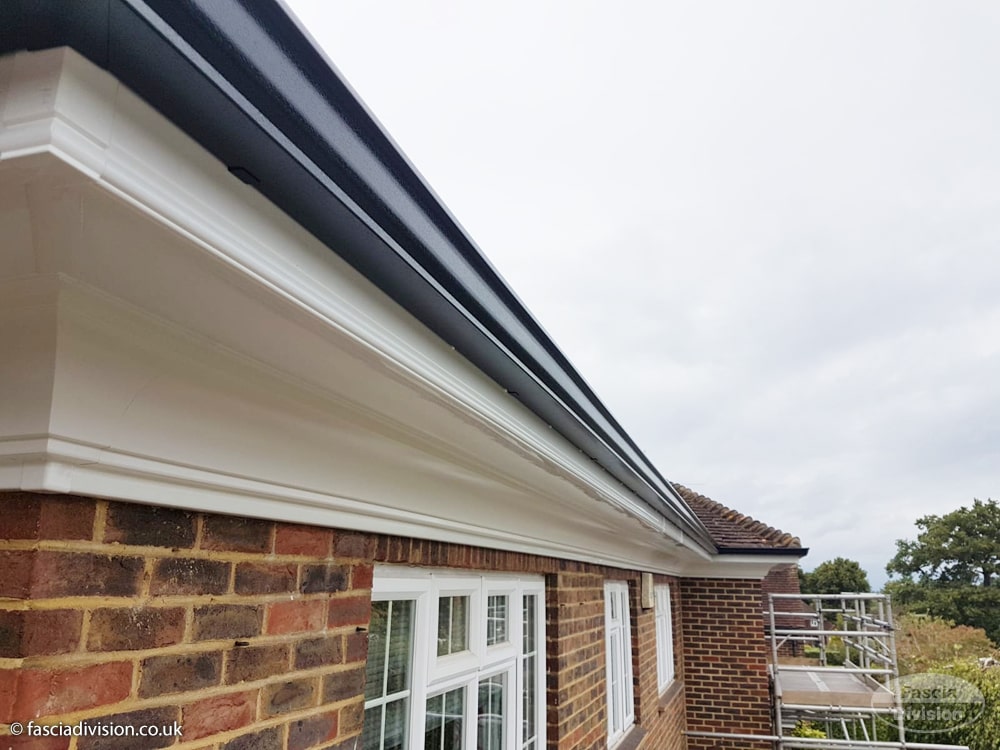
Fascia is a horizontal board that runs along the edge of the roofing, generally at the eaves. It serves as a protective barrier and offers a finished look to the roofline. The fascia board is also important in supporting the lower edge of the roof while offering a surface area for the accessory of rain gutters.
Function of Fascia
The fascia board serves numerous vital functions:
- Protection: It guards the underlying roofing and rafters from weather damage.
- Aesthetic Appeal: The fascia supplies a clean and polished want to the roofline, improving the general look of the structure.
- Support for Gutters: It provides a strong base for gutter installation, ensuring appropriate drain far from the structure’s structure.
What is Cladding?
Cladding is a protective layer used to the outside of a building. It can be made from numerous materials, including wood, vinyl, metal, or stone. The main purpose of cladding is to secure the building from external components, including wind, rain, and temperature fluctuations.
Function of Cladding
Cladding deals numerous crucial benefits:
- Weather Resistance: It safeguards the structure from moisture seepage and other weather-related issues.
- Insulation: Certain types of cladding improve the building’s thermal performance, supplying much better energy effectiveness.
- Visual Versatility: Cladding can be found in multiple designs, colors, and products, permitting imaginative exterior designs.
Comparing Fascia and Cladding
| Function | Fascia | Cladding |
|---|---|---|
| Place | Edges of the roof | Whole outside of the structure |
| Main Function | Roofing edge security and visual | Building protection and insulation |
| Materials Available | Wood, PVC, aluminum | Wood, vinyl, metal, brick, stone |
| Significance in Drainage | Supports gutters | Not directly included in drain |
| Visual Role | Finishing touch to roofline | Significant contributor to constructing façade |
Common Materials Used
Fascia Materials:
- Wood: Commonly used; provides a classic look but needs maintenance.
- PVC: Durable and low-maintenance; resistant to rot and pests.
- Aluminum: Lightweight and rust-resistant; perfect for numerous climates.
Cladding Materials:
- Vinyl: Affordable and low-maintenance; versatile in design.
- Metal: Durable and contemporary; deals outstanding weather condition resistance.
- Wood: Provides natural aesthetic; might require routine staining or painting.
- Stone or Brick: Offers classic elegance; extremely resilient however expensive.
Installation Processes
Fascia Installation
- Preparation: Remove old fascia if changing; examine for any water damage.
- Measurement: Measure the length of the roofing system edge to cut the fascia boards appropriately.
- Cutting: Cut the fascia boards to size, making sure a tight fit at the roof’s edge.
- Protecting: Attach the fascia boards using nails or screws, making sure they are level.
- Gutter Installation: Install seamless gutters after the fascia is in place to make sure proper alignment.
Cladding Installation
- Preparation: Ensure the wall surface is tidy and devoid of damage; include a wetness barrier if necessary.
- Framing: Install horizontal and vertical framing members if required.
- Measurement and Cutting: Measure and cut the cladding products to fit the walls.
- Protecting: Attach the cladding to the framing or wall surface area, Roofline Services making sure correct overlap and securing with nails or screws.
- Finishing Touches: Seal joints and edges to prevent moisture penetration.
Regularly Asked Questions (FAQs)
1. What is the main distinction in between fascia and soffit?
The main distinction is that fascia is the board that runs along the edge of the roofing, while Soffit Board Repair is the material that covers the underside of the roofing overhang. Together, they produce a total appearance and performance for the eaves.
2. How typically should fascia and cladding be preserved?
Fascia And Soffit Maintenance typically needs inspection every couple of years for signs of damage or rot, while cladding maintenance depends on the product utilized. For example, wood cladding might need repainting or staining every few years, while vinyl may just require periodic cleaning.
3. Can cladding be set up over existing materials?
In a lot of cases, cladding can be installed over existing products if they remain in excellent condition. Nevertheless, it’s important to inspect regional structure codes and potentially consult a professional for advice.
4. Is it required to insulate behind the cladding?
While not strictly required, adding insulation behind cladding can significantly enhance a building’s energy performance and convenience, lowering cooling and heating costs.
5. What are the signs that my fascia needs replacement?
Indications include visible rot, warping, peeling paint, or sagging, specifically near gutter installations. If the fascia becomes jeopardized, it can cause more considerable damage to the roofing system structure.
Comprehending the importance of fascia and cladding is vital for anyone associated with building style or maintenance. Both elements play crucial functions in securing a structure while enhancing its aesthetic appeal. Picking the right products and ensuring proper installation can result in a long-lasting and appealing exterior that satisfies the requirements of property owners and contractors alike. Whether you’re building a new building or renovating an old one, paying attention to these aspects will certainly contribute to the structure’s general performance and style.