
Cosgrove Keisha AG

Buy Counterfeit Money Deep Web
Add a review FollowOverview
-
Founded Date November 16, 1916
-
Sectors Logistics
-
Posted Jobs 0
-
Viewed 24
1. Company Information
Contact Details
Manpower Requirement Details
Employment Terms
Mobilization & Compliance
Additional Information
Company Description
20 Questions You Should Ask About Counterfeit Bills Before You Purchase Counterfeit Bills
Understanding Counterfeit Bills: The Threat, the Prevention, and the Future
Counterfeit bills have actually been a considerable issue throughout history, impacting economies, organizations, and individuals alike. In a world where transactions are ending up being significantly digital, the issue of counterfeit currency persists, with counterfeiters discovering innovative ways to exploit vulnerable spots in the financial system. This short article delves into the ins and outs of counterfeit bills, providing insights into their nature, how they are developed, techniques for avoidance, and the prospective future of currency.
The Anatomy of Counterfeit Bills
What are Counterfeit Bills?
Counterfeit bills are replica currency produced with the intent to deceive people or entities into accepting them as genuine money. These deceptive bills often mirror the style and feel of real currency, making them more difficult to discover.

Why Do People Counterfeit Money?
Counterfeiting, while illegal, can be lucrative. Here are a few of the factors why individuals or groups may take part in such activities:
- Financial Gain: Counterfeiters intend to benefit from their prohibited activities.
- Access to High-Buy Quality Counterfeit Money Printing Technology: Advances in printing innovation have made it much easier for counterfeiters to produce high-quality replicas.
- Need for Cash: In certain economies, the demand for cash makes counterfeiting appealing.
Common Counterfeit Techniques
Counterfeiters use various techniques to reproduce currency, including:
| Technique | Description |
|---|---|
| Digital Printing | Making use of high-resolution printers to develop Fake Currency notes. |
| Lithography | Conventional printing procedures to produce imitations. |
| Photographic Copies | Scanning and printing high-quality pictures of genuine bills. |
| Chemical Alteration | Altering existing bills to change the denomination. |
The Impact of Counterfeit Bills
The implications of counterfeit currency reach far beyond the instant monetary loss. Here’s how counterfeit bills affect numerous stakeholders:
1. Services
- Financial Loss: Merchants might face up to 100% loss on counterfeit bills passed to them.
- Undermined Trust: Businesses may lose customer trust, affecting future sales.
2. Consumers
- Loss of Value: Individuals may unknowingly end up with counterfeit bills, losing their Buy Prop Money.
3. Government and Economy
- Increased Inflation: Buy Counterfeit Cash currency can result in inflation, as it saturates the marketplace with fake money.
- Police Costs: Increased need for policing and enforcement diverts state resources.
How to Detect Counterfeit Bills
Acknowledging counterfeit currency is essential. Here are the standard functions to try to find when verifying bills:
Features of Real Currency
| Security Feature | Description |
|---|---|
| Watermark | An embedded watermark that is noticeable when held up to light. |
| Security Thread | A thread that runs through the expense, understandable under UV light. |
| Color-Shifting Ink | Ink that alters color when viewed from different angles. |
| Microprinting | Tiny text that is challenging to duplicate. |
Tips for Detection
- Feel the Bill: Real currency has a distinct texture due to the paper and printing process.
- Inspect the Edges: Genuine bills have sharp, clear edges instead of the soft or fuzzy edges of counterfeit bills.
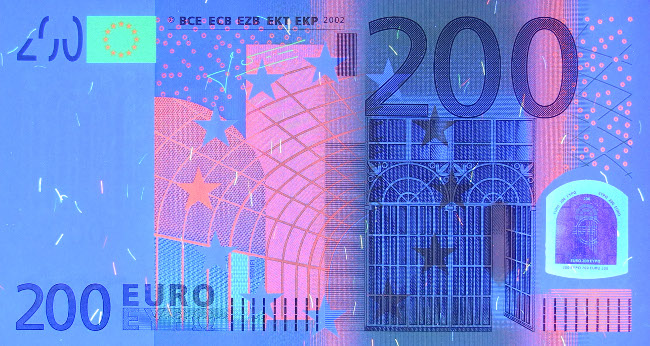
- Utilize a UV Light: Many security aspects are just visible under ultraviolet (UV) light.
Avoiding Counterfeit Bills
Preventative steps can significantly decrease the opportunities of falling victim to Purchase Counterfeit Bills currency, especially for organizations. Here are several techniques to consider:
1. Education and Training
- Supply staff with training on how to recognize counterfeit bills and recognize security features.
2. Use of Technology
- Consider using counterfeit detection devices that can quickly recognize fake bills.
3. Regular Monitoring
- Regular audits of cash holdings can assist in early detection of counterfeit bills.
4. Bank Partnerships
- Work carefully with banks to get updated details on counterfeit trends and measures.
5. Public Awareness Campaigns
- Motivate local services to engage in community awareness concerning counterfeiting.
The Future of Currency
With advancements in innovation and an increasing trend towards cashless transactions, the future of currency stays unsure. Specialists are exploring different possibilities:
- Digital Currency: Cryptocurrencies and reserve bank digital currencies (CBDCs) might lower reliance on physical cash, possibly reducing counterfeiting.
- Improved Security Features: Innovations in security features for physical currency may consist of sophisticated holograms and ingrained chips to even more prevent counterfeiters.
- Blockchain Technology: This might supply a safe approach for deals, decreasing the role of standard cash.
Frequently Asked Questions (FAQ)
1. How can I inform if a bill is counterfeit?
To recognize a counterfeit bill, look for the security features pointed out earlier, such as the watermark and color-shifting ink.
2. What should I do if I get a counterfeit expense?
If you think you have a counterfeit bill, do not try to pass it on. Contact local law enforcement or your bank for more guidance.
3. Are particular bills most likely to be counterfeited?
Usually, higher denomination bills, like ₤ 100 notes, are counterfeited regularly due to the willingness of people to pass them on.
4. Can technology help in avoiding counterfeiting?
Yes, counterfeit detection makers and advanced printing technology can help in determining counterfeit bills before they get in blood circulation.
5. What is the charge for counterfeiting currency?
Counterfeiting is a serious crime and can result in serious penalties, including large fines and imprisonment.
Counterfeit bills stay a persistent concern, affecting services, consumers, and national economies. By comprehending the nature of counterfeiting, acknowledging security features, and utilizing avoidance techniques, people and organizations can much better secure themselves versus this misleading practice. With the evolving landscape of currency, partnership between federal governments, organizations, and consumers is essential in curbing counterfeiting activities effectively.