

Wikidirective Best Fascia Replacement LLC

Fascias
Add a review FollowOverview
-
Founded Date August 30, 1943
-
Sectors Oil & Gas
-
Posted Jobs 0
-
Viewed 34
1. Company Information
Contact Details
Manpower Requirement Details
Employment Terms
Mobilization & Compliance
Additional Information
Company Description
15 Things You Don’t Know About Fascias
The Timeless Appeal of Wooden Fascias: A Comprehensive Guide
Wooden fascias have actually long been a staple in architectural design, providing a blend of visual appeal and structural integrity. As house owners and home builders continue to seek sustainable, resilient products that enhance the beauty of structures, wooden fascias stay a popular choice. This article explores the different aspects of wooden fascias, including their advantages, types, maintenance, and installation, to offer a thorough understanding of their role in both modern-day and traditional architecture.
What Are Wooden Fascias?
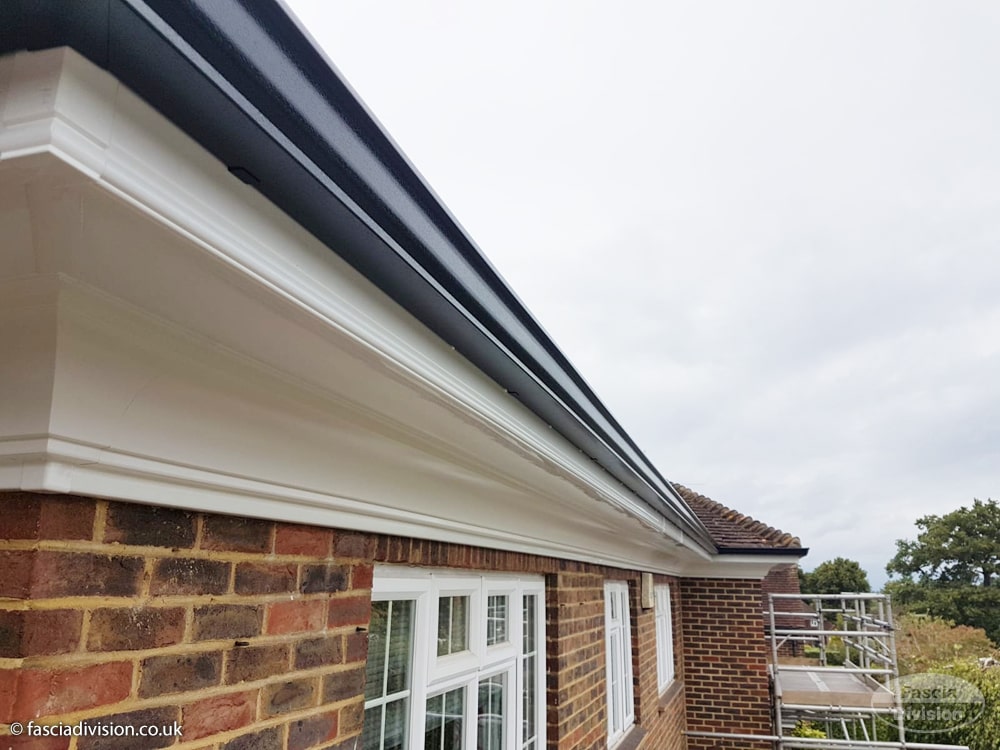
Fascias are the boards that run horizontally along the edge of a roofing system, simply below the roofline. They serve a number of necessary functions, consisting of providing a completed appearance to the roof, functioning as a barrier to protect the structure from water penetration, and supporting the lower edge of the roofing system tiles or shingles. Wooden fascias can be made from different types of lumber, each offering special advantages and aesthetic possibilities.
Types of Wooden Fascias
When it comes to wooden fascias, numerous products can be used, each with its own set of qualities. Here’s a table summarizing the most typical types:
| Type of Wood | Attributes | Pros | Cons |
|---|---|---|---|
| Pine | Softwood, light in color, and easy to deal with | Cost-effective, readily available | Prone to insect damage |
| Cedar | Naturally resistant to rot, deep color tones | Long lasting, attractive odor | More pricey than pine |
| Redwood | Rich color, extremely resistant to decay | Long-lasting, lovely finish | Higher cost point |
| Mahogany | Dark, fine-grained wood | Elegant appearance, strong | Expensive and less common |
| Plywood | Engineered wood, made from layers of veneer | Flexible and strong | Might not have the very same visual appeal |
Key Features of Each Type
- Pine is frequently selected for its affordability and schedule, making it a typical option for budget-conscious jobs.
- Cedar is preferred for its natural resistance to wetness and bugs, making it an outstanding option for outside applications.
- Redwood is sought after for its charm and durability, particularly in high-end styles.
- Mahogany is the go-to alternative for those looking for high-end and long-lasting properties.
- Plywood enables creative versatility, particularly in custom styles, although it may lack the traditional look of solid wood.
Benefits of Wooden Fascias
Choosing wooden fascias includes several benefits that can improve both the performance and aesthetic appeal of a building:
-
Aesthetics: Wood uses a warm, natural look that can elevate the total look of a home. The grain patterns and colors of wood can complement various architectural designs.
-
Sustainability: When sourced responsibly, wood is a sustainable resource, making it an eco-friendly building product.
-
Flexibility: Wood can be cut, shaped, and finished to accomplish different appearances, permitting for customization according to individual taste or architectural style.
-
Insulation: Wood has natural insulating properties, contributing to the energy efficiency of a building.
-
Cost-Effectiveness: In many cases, wooden fascias can be more affordable than their synthetic counterparts, particularly in basic applications.
Maintenance of Wooden Fascias
To maximize the life expectancy of wooden fascias, routine maintenance is essential. Below are some maintenance ideas:
- Regular Inspections: Check fascias a minimum of twice a year for signs of wear, rot, or insect invasion.
- Cleaning up: Remove dirt, particles, and organic development such as moss or algae with a soft brush or pressure washer.
- Sealing and Painting: Apply a sealant or paint to protect the wood from moisture and UV damage, restoring it every few years as required.
- Repair and Replace: Address any signs of damage quickly. Replace sections of Fascia And Soffit Maintenance that have decomposed or ended up being significantly damaged.
Installation of Wooden Fascias
Installing wooden fascias can be done as a DIY project or by working with professionals, depending on the complexity of the installation and the person’s ability level. Here is a brief summary of the installation process:
Tools and Materials Needed
- Wooden Fascia And Cladding boards
- Determining tape
- Circular saw or miter saw
- Level
- Nails or screws
- Caulk
- Safety safety glasses
Installation Steps
- Procedure: Measure the length of the roofline where the fascias will be set up.
- Cut: Cut the Fascia And Soffit boards to the suitable lengths utilizing a saw.
- Fit: Position the boards under the roofing overhang and ensure they are level.
- Protect: Fasten the boards with nails or screws, ensuring they are sufficiently supported and lined up with the roofline.
- Seal: Apply caulk around the edges to prevent wetness penetration and enhance sturdiness.
- End up: If wanted, end up the wood with paint or sealant for added security and aesthetics.
Frequently Asked Questions About Wooden Fascias
1. What kinds of wood are best for fascias?
Cedar and redwood are typically suggested due to their natural resistance to rot and insects. Pine is also popular for its cost-effectiveness.
2. The length of time do wooden fascias last?
With appropriate maintenance, wooden fascias can last anywhere from 20 to 50 years, depending on the wood type and environmental conditions.
3. Can I set up wooden fascias myself?
Yes, if you have standard woodworking skills and the essential tools. Nevertheless, employing experts might ensure a greater quality installation.
4. Are wooden fascias vulnerable to pests?
Yes, without treatment wood can be at danger for pest infestations. Utilizing cured wood or applying protective finishes can lower this danger.
5. How typically should I maintain my wooden fascias?
Regular examinations every 6 months, in addition to cleansing and sealing every couple of years, will assist preserve their condition.
Wooden fascias are more than just practical elements of a home; they represent a classic aesthetic that can boost the curb appeal and structural integrity of any structure. With different wood types to select from, advantages that vary from sustainability to flexibility, and uncomplicated maintenance and installation procedures, wooden fascias remain a compelling choice for house owners and home builders alike. Whether you’re wanting to refurbish an existing structure or style a brand-new one, think about the long lasting value that wooden fascias can bring to your property.